FSIBlog health information and wellness guidance for everyday life

FsiBlog

Health Information and Wellness Guidance for Everyday Life

Your Trusted Source for Health Advice and Medical Information

Health, Fitness and Disease Information

FSIBlog is your destination for expert health advice, medical information, nutrition guidance, wellness tips, and healthy living resources. Our goal is to help readers make informed decisions by providing accurate, easy-to-understand content on health, fitness, preventive care, mental well-being, and everyday wellness. Explore practical insights and the latest health topics designed to support a healthier lifestyle.

Read more
Founder FsiBlog

Kasley Killam | A Mission to Spread Social Health

Kasley Killam is a leading social health advocate, Harvard-trained researcher, and bestselling author dedicated to helping people thrive through meaningful human connection. As the founder of FsiBlog, she has built a platform rooted in science and real-life wellness, bringing evidence-based guidance on nutrition, mental health, and community well-being to readers around the world.

FsiBlog has become a trusted voice in the health and wellness space, providing evidence-based medical information, practical nutrition advice, and expert-reviewed wellness content that empowers everyday readers to make smarter, more informed decisions about their health and the health of their families.

kasley-killam-Social-Health-Awareness
Dr Siya Khanna DO medical editor FSIBlog
Medical Editor
Dr Siya Khanna, DO
Food and Lifestyle Medicine
Osteopathic physician specialising in food as medicine and evidence-based lifestyle health interventions.
Dr Janette Nesheiwat board certified MD FSIBlog
Medical Editor
Dr Janette Nesheiwat
Board Certified MD
Board-certified physician and media health contributor reviewing condition guides and treatment content.
Marleen Filimon mental health editor FSIBlog
Mental Health Editor
Marleen Filimon
Licensed Psychotherapist
Licensed therapist overseeing all FSIBlog mental health content with compassion, accuracy, and clinical care.
Dr Tania Elliott board certified doctor FSIBlog editor
Medical Editor
Dr Tania Elliott
Board-Certified Doctor
Physician and health communicator whose work has reached over 350 million people across social media.
Patricia fitness editor and personal trainer FSIBlog
Fitness Editor
Patricia
Functional Trainer and Coach
Certified functional trainer creating evidence-based fitness content that connects movement with mental wellbeing.
Sara Dunn SEO specialist FSIBlog
SEO Editor and Search Strategist
Sara Dunn
Google and AI Search Specialist
SEO expert ensuring FSIBlog health articles reach readers who need them most through Google and AI-powered search results.
Brian SEO digital marketing expert FSIBlog
SEO and Digital Marketing Editor
Brian
SEO and Digital Marketing Expert
Digital marketing strategist driving consistent growth and search visibility for FSIBlog across Google, social, and AI platforms.

FsiBlog Medical Insights for Better Health

FsiBlog has become a trusted voice in the health and wellness space, providing evidence-based medical information, practical nutrition advice, and expert-reviewed wellness content that empowers everyday readers to make smarter, more informed decisions about their health and the health of their families.

Read more
What is FSIBlog trusted health and wellness blog
About FSIBlog

FsiBlog Delivers Reliable Health Advice and Evidence-Based Medical Guidance

FsiBlog is a trusted health and wellness blog providing expert-reviewed articles on nutrition, mental health, medical conditions, and healthy living. Our mission is to give every reader accurate, easy-to-understand health information they can act on every day.

Weight Loss

Learn the Science of Sustainable Weight Loss That Actually Works

FsiBlog breaks down the real science behind sustainable weight loss, from understanding how your metabolism works to building habits that last beyond any short term diet. Each guide covers calorie balance, hormonal health, mindful eating, and exercise strategies designed to help you lose weight steadily, safely, and without sacrificing your overall wellbeing.

Read more
Weight loss science and sustainable diet guidance on FSIBlog

What is FsiBlog

Health Advice and Medical Information You Can Trust

FsiBlog is a health and wellness blog built for everyday readers. We cover medical conditions, nutrition, fitness, mental health, disease awareness, and treatment guidance in plain English so you can make confident decisions about your wellbeing every day.

Expert-reviewed health articles updated regularly
Disease awareness and condition guides backed by NHS and WHO
Fitness plans and healthy lifestyle tips for every level
Doctor-reviewed treatment guidance and medication information
Latest health news and medical research updates

Join the FSIBlog Community

FSIBlog team health information and wellness content
Articles
500+
Expert health articles published and reviewed
Fact Checked
100%
Every article editorially reviewed before publishing
Fitness
Workout Plans and Healthy Living
Beginner to advanced fitness guides, weight loss plans, yoga, strength training, and daily exercise routines built for real life.
Treatments
Doctor-Reviewed Treatment Guides
Medications, therapies, recovery care, and condition management plans reviewed by qualified health professionals.
Publishing
10+
Years of trusted health publishing
Health News
Daily Health News and Research
Latest disease alerts, NHS updates, WHO guidance, and new medical research explained in plain everyday language.

Fast Four Quiz: Precision Medicine in Cancer

How much do you know about precision medicine in cancer? Test your knowledge with this quick quiz.
Fiber vs Protein Which Is More Important

Fiber and protein are two essential nutrients that support overall health. Both

Mewing Claims and Realities Explained by Doctors

Mewing has become a popular topic on social media, with many people

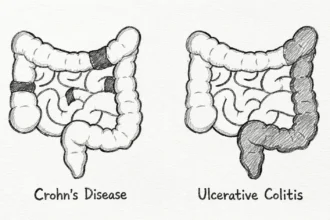
What Are the Differences Between Crohn’s and Ulcerative Colitis?

Crohn’s disease and ulcerative colitis are both types of inflammatory bowel disease,

FSIBlog founder mission health awareness guides and wellness content
FsiBlog Mission

Our Mission to Make Health Knowledge Accessible to Everyone

FsiBlog was founded with one clear purpose: to make trusted health information easy to find and understand. From disease awareness and treatment guides to fitness tips, mental health support, and the latest health news, every article on FSIBlog is written to help real people take better care of themselves and the people they love.

Read more

Your Trusted Source for
Health, Fitness and
Medical Guidance

FsiBlog delivers expert-reviewed health articles, fitness tips, nutrition guides, and medical information to millions of readers worldwide. Our mission is to make reliable health knowledge simple, accessible, and actionable for everyone.

500+ Articles

Expert health content published

Nutrition, dental care, mental health, fitness, dermatology, eye care, and more

10+ Niches

Health topics covered in depth

From weight loss and diet plans to chronic illness management and wellness tips

50,000+

monthly readers

trust FSIBlog for accurate health and lifestyle advice every month

100% Reviewed

editorially fact-checked content

every article is reviewed for accuracy before publishing on FSIBlog

FsiBlog Recipes

Recipes we're lovin' right now

Make-Ahead Chia Pudding, Yogurt and Berry Parfaits

Make-Ahead Chia Pudding, Yogurt and Berry Parfaits

NUTRITION PER SERVING

Calories264
Total Fat8g
Cholesterol6mg
Carbohydrate32g
Dietary Fiber11g
Sugar17g
Protein17g
Shawarma-Spiced Chickpea Bowls

Shawarma-Spiced Chickpea Bowls

NUTRITION PER SERVING

Calories409
Total Fat14g
Cholesterol5mg
Carbohydrate51g
Dietary Fiber12g
Sugar13g
Protein24g
Raspberry Chia Pudding with Almond Milk and Flax Crisps

Raspberry Chia Pudding with Almond Milk and Flax Crisps

NUTRITION PER SERVING

Calories326
Total Fat16g
Cholesterol7mg
Carbohydrate38g
Dietary Fiber18g
Sugar15g
Protein12g
Slow Cooker Chicken and Lentil Chili

Slow Cooker Chicken and Lentil Chili

NUTRITION PER SERVING

Calories339
Total Fat7g
Cholesterol40mg
Carbohydrate42g
Dietary Fiber14g
Sugar5g
Protein28g
Slow Cooker Black Bean Soup

Slow Cooker Black Bean Soup

NUTRITION PER SERVING

Calories344
Total Fat6g
Cholesterol2mg
Carbohydrate58g
Dietary Fiber15g
Sugar5g
Protein19g
Cauliflower Black Bean Tacos

Cauliflower Black Bean Tacos

NUTRITION PER SERVING

Calories301
Total Fat4g
Cholesterol0mg
Carbohydrate55g
Dietary Fiber14g
Sugar9g
Protein14g
High-Protein Greek Yogurt Bowl

High-Protein Greek Yogurt Bowl

NUTRITION PER SERVING

Calories312
Total Fat5g
Cholesterol10mg
Carbohydrate36g
Dietary Fiber6g
Sugar22g
Protein29g
Quinoa and Veggie Stir-Fry

Quinoa and Veggie Stir-Fry

NUTRITION PER SERVING

Calories358
Total Fat9g
Cholesterol0mg
Carbohydrate54g
Dietary Fiber9g
Sugar8g
Protein13g
Turkey Lettuce Wrap Bowls

Turkey Lettuce Wrap Bowls

NUTRITION PER SERVING

Calories278
Total Fat11g
Cholesterol65mg
Carbohydrate18g
Dietary Fiber4g
Sugar6g
Protein27g
Baked Salmon with Asparagus and Lemon

Baked Salmon with Asparagus and Lemon

NUTRITION PER SERVING

Calories290
Total Fat13g
Cholesterol70mg
Carbohydrate8g
Dietary Fiber3g
Sugar3g
Protein35g

More Stories

View All

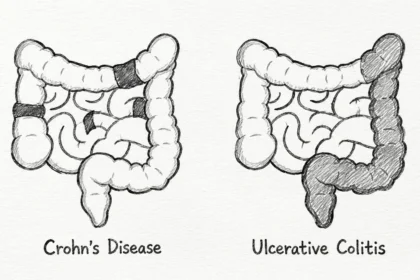
What Are the Differences Between Crohn’s and Ulcerative Colitis?

Crohn’s disease and ulcerative colitis are both types of inflammatory bowel disease, often called IBD.

Fiber vs Protein Which Is More Important

Fiber and protein are two essential nutrients that support overall health. Both play different roles

Everything You Need to Know About Wisdom Teeth Growth

Wisdom teeth are the third set of molars that sit at the very back of

Best Travel Safety Practices to Maintain Good Health

Traveling can expose you to new environments, foods, climates, and daily routines. Taking a few

Content Publishing Schedule

FSIBlog publishes new health advice and medical content throughout the week. Our expert contributors regularly update articles to keep you informed with the latest wellness insights.

Monday to Friday to
Saturday to
Sunday to

Email us: fsiblog8@gmail.com

Got a Health Question?

Have a health topic you would like us to cover? Our editorial team is available to answer reader queries, review article suggestions, and respond to general wellness enquiries any time.

Editorial Team: fsiblog8@gmail.com

Write For Health

Are you a health writer, nutritionist, or wellness expert? Share your knowledge with our growing audience. We welcome guest contributors and sponsored health content from qualified professionals.

Submit your pitch: fsiblog8@gmail.com

Sponsorships: fsiblog8@gmail.com

Trusted Health Knowledge

Everything You Need to Know
About Living a Healthier Life

FsiBlog covers every area of your health and wellbeing — from managing chronic conditions and improving your fitness to understanding mental health, nutrition, and everyday healthy living habits.

500+
Expert Health Articles
20+
Health Topics Covered
50K+
Monthly Readers
100%
Editorially Reviewed Content
01 / Conditions

Heart Health and Cardiovascular Care

Your heart works every second of your life. FSIBlog explains heart disease risk factors, blood pressure management, cholesterol, and what your doctor actually wants you to know about keeping your cardiovascular system strong at every age.

Blood Pressure Cholesterol Heart Disease Stroke Prevention
H
02 / Conditions

Diabetes and Blood Sugar

Understanding Type 1, Type 2, and prediabetes through clear, clinically accurate guides that help you manage glucose levels and live well every day.

Type 2 Diabetes Insulin Diet Plans
D
03 / Conditions

Cancer Awareness and Early Detection

From understanding warning signs to navigating screening options, FSIBlog helps readers recognise early symptoms that matter most for survival outcomes.

Early Screening Symptoms Prevention
C
🧠

Neurological Conditions

Migraines, epilepsy, multiple sclerosis, Alzheimer's, and Parkinson's explained with clarity and compassion.

MigraineAlzheimer'sMS
🫁

Respiratory Health

Asthma, COPD, bronchitis, and lung health guidance backed by NHS and WHO clinical standards.

AsthmaCOPDLung Health
🦴

Bone and Joint Health

Arthritis, osteoporosis, back pain, and musculoskeletal care from prevention through to daily management.

ArthritisOsteoporosisBack Pain
🩺

Thyroid and Hormone Health

Hypothyroidism, hyperthyroidism, PCOS, and hormone imbalance conditions covered in full clinical detail.

ThyroidPCOSHormones

Understanding Anxiety and How to Manage It

Anxiety is one of the most common mental health conditions in the world. FSIBlog covers the science behind why anxiety happens, what triggers it, and the evidence-based approaches that genuinely help people reclaim calm and confidence in their daily lives.

Generalised Anxiety Panic Attacks Social Anxiety CBT Techniques Breathing Methods
A

Depression, Burnout and Emotional Recovery

Recognising depression early and understanding the difference between burnout and clinical depression can change everything. FSIBlog provides compassionate, clinically grounded guidance on getting the right support at the right time.

Depression Signs Burnout Recovery Therapy Options NHS Resources
D
😴

Sleep Health and Disorders

Poor sleep affects every system in your body. FSIBlog covers insomnia, sleep apnea, circadian rhythm disruption, and practical sleep hygiene strategies that actually work for real people.

  • Insomnia causes and solutions
  • Sleep apnea warning signs
  • Sleep hygiene routines that work
  • How sleep affects mental health
🧘

Mindfulness and Stress Management

Chronic stress is a silent health risk. FSIBlog explores mindfulness, meditation, breathing techniques, and daily practices proven to lower cortisol and improve overall mental and physical resilience.

  • Mindfulness for beginners
  • Breathing exercises for stress
  • Managing work and life pressure
  • Building mental resilience daily
💬

Therapy, Counselling and Support

Knowing when and how to seek mental health support is just as important as physical health care. FSIBlog explains therapy types, how to access NHS mental health services, and what to expect from your first session.

  • Types of therapy explained
  • How to access NHS support
  • Online therapy options in the UK
  • Supporting someone with mental illness
01 / Fitness

Building a Sustainable Exercise Habit

Starting an exercise routine is easy. Keeping it going is the real challenge. FSIBlog provides realistic, science-backed fitness guides for every fitness level, body type, and schedule so that movement becomes a natural part of your life rather than a chore.

Beginner Workouts Home Fitness Habit Building Rest and Recovery
F
02 / Fitness

Strength Training for Health

Strength training is not just for athletes. FSIBlog explains why building muscle protects your joints, boosts metabolism, and reduces chronic disease risk at every age.

Weight Training Resistance Bands Bone Density
S
03 / Fitness

Cardio, Walking and Active Living

From 10,000 steps to zone 2 cardio, FSIBlog covers the most accessible forms of movement and their remarkable long-term benefits for heart and lung health.

Walking Benefits Running Guide Cardio Plans
C
🏋️

Weight Loss and Body Composition

Science-based weight management without fad diets or unsustainable restrictions.

🧘

Yoga and Flexibility

Yoga for mobility, stress relief, and injury prevention at every level from beginner to advanced.

Sports Injury Rehab

How to safely recover from common sports injuries and return to full activity without reinjury.

💤

Recovery and Rest Days

Why rest is as important as training and how to structure recovery for better results.

🏃

Exercise for Chronic Conditions

Safe, modified fitness guidance for people managing diabetes, arthritis, and heart conditions.

🥦

Balanced Nutrition for Everyday Health

Understanding macronutrients, micronutrients, and how to build meals that genuinely fuel your body without obsessive calorie counting or restrictive eating rules.

  • Protein, carbs and fat explained simply
  • Reading nutrition labels correctly
  • Building balanced meals on a budget
  • Understanding portion sizes realistically
🫀

Gut Health and the Microbiome

The gut is increasingly recognised as a second brain. FSIBlog explains the science of gut bacteria, how diet shapes your microbiome, and why gut health affects your immunity, mood, and metabolism.

  • Probiotics and prebiotics explained
  • Foods that damage gut health
  • IBS and gut inflammation management
  • Fermented foods and their benefits
💊

Vitamins, Minerals and Supplements

Which supplements are actually worth taking, which are a waste of money, and which nutrient deficiencies are most commonly missed in the UK population and how to address them through food first.

  • Vitamin D and why most UK adults are deficient
  • Iron, B12, and folate explained
  • Omega 3 and brain health connection
  • When supplements are not needed
🍳

Healthy Meal Planning

Practical weekly meal prep strategies and recipe ideas for busy people who want to eat well without spending hours in the kitchen.

Meal PrepBatch CookingQuick Meals
🥗

Plant-Based and Vegan Eating

How to get complete nutrition on a plant-based diet, avoiding common deficiencies and building satisfying, balanced meals every day.

Vegan ProteinPlant NutritionB12
🚫

Food Allergies and Intolerances

Understanding gluten intolerance, lactose intolerance, nut allergies, and how to navigate daily eating safely and confidently.

Gluten FreeLactoseAllergens
🍬

Sugar, Processed Foods and Hidden Risks

How ultra-processed foods are reshaping public health and the simple dietary shifts that make the biggest difference to your long-term wellbeing.

Sugar IntakeUltra ProcessedClean Eating

Preventive Health Checks You Should Not Skip

Preventive healthcare saves more lives than treatment. FSIBlog covers the health screenings, blood tests, and check-ups that matter most by age and risk factor, so you know exactly what to ask your GP for at every life stage.

Blood Tests Cancer Screening Heart Health Checks Vaccinations Eye and Dental Checks
P

Building Healthy Daily Habits That Actually Last

Small consistent actions create lasting health transformation. FSIBlog explains the psychology of habit formation and gives practical, evidence-based frameworks for building routines around sleep, movement, hydration, and stress that genuinely stick long term.

Morning Routines Habit Stacking Hydration Screen Time
H
🧴

Skin and Hair Health

Acne, eczema, psoriasis, hair loss, and skincare routines explained by dermatology principles.

🦷

Dental and Oral Health

Beyond brushing. Gum disease, enamel erosion, and the link between oral health and heart disease.

👁️

Eye Health and Vision

Screen fatigue, dry eyes, glaucoma awareness, and practical tips for protecting your vision daily.

🚭

Quitting Smoking and Addiction

Evidence-based strategies, NHS support tools, and what really works for quitting for good.

🍷

Alcohol, Caffeine and Healthy Limits

Understanding safe consumption levels and recognising when habits become health risks.

👩

Women's Health Across Every Life Stage

From menstrual health and fertility to pregnancy, postpartum recovery, perimenopause, and menopause, FSIBlog provides honest, clinically grounded health information written specifically for women's bodies and experiences.

  • PCOS and endometriosis explained
  • Pregnancy nutrition and health
  • Perimenopause and menopause symptoms
  • Cervical screening and HPV guidance
👶

Child Health, Development and Parenting

Reliable child health information covering everything from newborn care and childhood nutrition to common childhood illnesses, developmental milestones, and immunisation schedules every parent needs to know.

  • Childhood vaccination schedules
  • Common childhood illness guides
  • Nutrition for growing children
  • Screen time and child development
👴

Healthy Ageing and Elder Care

Ageing well is not about slowing down but about staying strong, sharp, and connected. FSIBlog covers nutrition, exercise, cognitive health, and the social factors that determine quality of life as we grow older.

  • Cognitive decline prevention strategies
  • Exercise for older adults safely
  • Managing multiple medications safely
  • Social connection and longevity research
FsiBlog Health Writing Guidelines

How to Write Health Articles for FSIBlog

FSIBlog publishes trusted health, medical, and wellness content read by thousands of people every month. Every article we publish must be accurate, helpful, and written with the reader's wellbeing in mind. These guidelines cover everything you need to know before submitting, from topic ideas and medical accuracy to SEO, formatting, and our editorial standards.

What Topics We Accept

FSIBlog publishes health, medical, nutrition, fitness, and wellness content only. We do not accept gaming, tech, finance, travel, or any non-health topic. Every article must be directly relevant to physical health, mental health, or healthy living.

🫀
Medical Conditions
Diabetes, hypertension, thyroid, heart disease, arthritis, asthma, PCOS, cancer awareness
🥦
Nutrition and Diet
Keto, intermittent fasting, vitamins, superfoods, gut health, calorie counting, meal planning
🧠
Mental Health
Anxiety, depression, stress, sleep disorders, mindfulness, therapy, burnout recovery
💪
Fitness and Exercise
Home workouts, weight loss, strength training, yoga, cardio, fitness for beginners
🦷
Dental and Oral Health
Teeth whitening, gum disease, oral hygiene, dental implants, cavities, bad breath
👁️
Eye and Vision
Screen fatigue, dry eyes, glasses vs contacts, LASIK, eye vitamins, vision tests
🌿
Natural Remedies
Herbal medicine, home remedies, supplements, Ayurveda, turmeric, ginger, essential oils
👶
Women and Child Health
Pregnancy, postpartum, baby nutrition, fertility, menstrual health, child development
💊
Medications and Supplements
Supplement reviews, drug interactions, vitamin deficiencies, safe dosages, OTC guides
🩺
Health News
Medical research, NHS updates, WHO guidelines, new treatments, health statistics
🧴
Skin and Hair Health
Acne, eczema, hair loss, skincare routines, sunscreen, dermatology, anti-aging
🏥
Preventive Healthcare
Health screenings, vaccinations, check-up schedules, blood tests, early detection
CAT 1
Health News and Research Articles

Timely articles covering new medical studies, NHS or WHO announcements, disease updates, and newly approved treatments. Must be written within 48 hours of the announcement. Must cite the original study or official health body as the source.

Examples: WHO Issues New Salt Intake Guidelines 2025 Study Links Ultra-Processed Foods to Early Dementia Risk

CAT 2
Condition Explainer Articles

Evergreen educational articles explaining a medical condition in plain English. Must cover what it is, who it affects, symptoms, causes, diagnosis, treatment, and when to see a doctor. Every claim must link to NHS, WebMD, Mayo Clinic, or a peer-reviewed journal.

Examples: What is Type 2 Diabetes? Causes, Symptoms and Treatment PCOS Explained: What Every Woman Needs to Know

CAT 3
Nutrition and Diet Guides

Practical articles covering specific diets, foods, nutrients, or eating habits. Must include real nutritional data referencing USDA FoodData Central or NHS Eat Well guidelines. Do not make unsupported weight loss promises.

Examples: 10 Iron-Rich Foods You Should Eat Every Week Intermittent Fasting for Beginners: A Complete UK Guide

CAT 4
Fitness and Exercise Articles

Workout guides, exercise plans, and movement-based wellness content. Must include specific instructions, safety precautions, and beginner modifications. Always note that readers with pre-existing conditions should consult a GP before starting any new program.

Examples: 30-Day Beginner Home Workout Plan with No Equipment Best Exercises for Lower Back Pain Relief at Home

CAT 5
Mental Health and Wellbeing

Sensitive, empathetic content covering anxiety, depression, stress, sleep, and emotional wellbeing. Must not diagnose readers. Must always recommend professional help. Articles on crisis topics must end with signposting to Samaritans, Mind UK, or NHS mental health services.

Examples: 10 Proven Techniques to Manage Anxiety at Home How Poor Sleep Affects Your Mental Health and What to Do


Article Length and Word Count

Minimum
800
Health news and short tips
Recommended
1500
Standard health articles
In-Depth Guides
2500+
Condition explainers and plans
Maximum
6000
Comprehensive health guides
R1
Write Until the Topic Is Fully Covered

Word count must serve the reader, not a search target. A health news update does not need 3000 words. A complete guide to managing Type 2 Diabetes should not be limited to 800 words. Write until the health topic is fully and accurately covered. Never pad content with repeated advice or filler paragraphs just to hit a word count.

R2
Every Article Needs an Introduction and Conclusion

Every health article must open with a clear introduction explaining what the reader will learn and why it matters to their health. Every article must close with a practical conclusion summarising key health takeaways and next steps including a reminder to consult a healthcare professional where appropriate.

R3
Keep Paragraphs Short and Scannable

Health readers often scan quickly. Keep paragraphs between 2 and 4 sentences. No wall-of-text blocks. Use short sentences that can be understood by someone with no medical background. Each paragraph must cover one clear idea, symptom, or treatment point.

Medical Accuracy and Safety Standards

FSIBlog content is read by real people making real health decisions. Inaccurate medical information can cause direct harm. Every health claim must be verifiable from a credible medical source. Articles containing unverified claims, dangerous advice, or missing disclaimers will be permanently rejected.

MED 1
Medical Disclaimer Is Mandatory on Every Article

Every FSIBlog health article must include this disclaimer at the top or bottom. It cannot be removed or significantly reworded.

This article is for informational purposes only and does not constitute medical advice. Always consult a qualified healthcare professional before making any changes to your diet, medication, or treatment plan.

MED 2
Never Diagnose the Reader

Articles must never tell a reader they have a specific condition. Phrases like "you have diabetes if" are prohibited. Instead write "these symptoms may indicate" or "a doctor may diagnose this as". FSIBlog informs and educates, it does not replace clinical diagnosis.

MED 3
Cite Every Medical Statistic and Study

Every statistic, percentage, or research finding must be cited with a link to the original source. Accepted sources include NHS, WHO, NICE, CDC, PubMed, Mayo Clinic, and WebMD. Do not cite other health blogs as primary evidence. Do not use studies older than 5 years unless they are foundational facts.


Accepted: nhs.uk who.int nice.org.uk pubmed.ncbi.nlm.nih.gov cdc.gov mayoclinic.org

MED 4
Every Article Needs a When to See a Doctor Section

Every condition or symptom article must include a section titled "When to See a Doctor" listing the warning signs that require urgent attention. This section protects readers and satisfies Google's YMYL health content quality requirements. Missing this section is grounds for rejection.

Example: Seek emergency help if you experience chest pain, difficulty breathing, or sudden loss of consciousness.

MED 5
Sensitive Topics Need Crisis Signposting

Articles on mental health crises, eating disorders, addiction, or self-harm must end with a crisis resources section linking to Samaritans at samaritans.org, Mind UK at mind.org.uk, and the NHS mental health helpline at 111. Writers covering these topics must demonstrate care and clinical awareness in their writing approach.

SEO Requirements for Health Content

Health content falls under Google's YMYL category meaning Google applies higher quality standards to health articles than most other content types. Every SEO rule below is required on every article submitted to FSIBlog.

SEO 1
Title Must Be Clear, Accurate, and Keyword-Led

Every article has one H1 heading which is the article title. It must contain the primary health keyword and be between 50 and 60 characters. Avoid sensationalist headlines. Accurate, descriptive titles build reader trust and rank better for health searches.

Good: Type 2 Diabetes Symptoms: Early Signs You Should Not Ignore

Bad: This Secret Trick Will Cure Your Diabetes Forever

SEO 2
Meta Title and Meta Description Required

Submit a meta title between 50 and 60 characters and a meta description between 150 and 160 characters with every article. Include the primary keyword naturally in both. Do not make medical promises in meta fields.

Meta title: 50 to 60 characters Meta description: 150 to 160 characters

SEO 3
Heading Structure for Health Articles

Use H2 headings for major sections such as Symptoms, Causes, Treatments, Prevention, and When to See a Doctor. Use H3 for subsections. Never skip heading levels. A standard 1500-word health article should have 5 to 7 H2 headings following a logical clinical structure.

SEO 4
Keyword Density and Natural Placement

Primary keyword density should be between 1.0% and 2.0% of total word count. Place the keyword in the first 100 words, at least one H2 heading, meta title, meta description, and featured image alt text. Never stuff keywords. Natural LSI terms like symptoms, causes, and treatment improve topical relevance automatically.

Target: 1.0% to 2.0% Hard limit: 2.5%

SEO 5
Table of Contents for Articles Over 1000 Words

Any health article over 1000 words must include a table of contents after the introduction with anchor links to each H2 section. Google frequently uses these for health sitelinks in search results, significantly increasing visibility for medical queries.

SEO 6
FAQ Section at the End of Every Article

Every FSIBlog health article must end with a Frequently Asked Questions section of 4 to 6 questions formatted as H3 headings with 2 to 3 sentence answers. This enables FAQPage schema and creates opportunities for Google People Also Ask inclusions for health queries.

Examples: Can diabetes be reversed with diet? What foods should someone with high blood pressure avoid?

Linking Rules

LK 1
Internal Links to FSIBlog Articles

Every article must include 2 to 5 internal links to other relevant FSIBlog health articles. An article about Type 2 Diabetes should link to related FSIBlog content on blood sugar management or healthy eating. Use descriptive anchor text. Never use "click here" or "read more".

Minimum: 2 links Maximum: 5 links

LK 2
External Links to Medical Authorities Only

Every article must include 1 to 3 external links to high-authority medical sources only. Accepted sources are NHS, WHO, NICE, CDC, Mayo Clinic, WebMD, PubMed, British Heart Foundation, Cancer Research UK, Diabetes UK, and Mind UK. Never link to other health blogs, supplement sellers, or low-authority sites as evidence.

nhs.uk who.int mayoclinic.org pubmed.ncbi.nlm.nih.gov

LK 3
No Commercial or Product Links Without Approval

Writers must not add links to supplement shops, private clinic booking pages, or any commercial health product without prior FSIBlog editorial approval. Undisclosed commercial links violate Google's link spam policies. Sponsored content must be clearly labelled and pre-approved before submission.

Image Guidelines

Health images must be medically appropriate and professionally sourced. Never use graphic surgical images or extreme body condition photos without a content warning. All images need descriptive health-relevant alt text and must be fully licensed for web use.

Image Type Recommended Size Max File Size Format Minimum Required
Featured Image 1200 x 628 px 150 KB WebP or JPEG 1 per article (mandatory)
In-Body Images 800 x 450 px 100 KB WebP or PNG 1 per 600 words
Health Infographics 800 x 1200 px 250 KB WebP or PNG Strongly recommended
Anatomy Diagrams 900 x 600 px 200 KB WebP or PNG Where relevant
Comparison Tables 900 x 500 px 120 KB WebP or PNG Optional
IMG 1
Use Royalty-Free Health-Appropriate Images Only

Accepted image sources are Unsplash, Pexels, Pixabay, and licensed medical illustration libraries. Never use images of real patients without consent. Never use graphic post-operative or clinical procedure photos without a content warning.

IMG 2
Alt Text on Every Single Image

Every image must have descriptive alt text of 5 to 15 words including the relevant health keyword where natural.

Examples: doctor checking blood pressure of elderly patient woman practicing yoga for stress relief at home healthy meal prep with vegetables and whole grains

E-E-A-T Standards for Health Writers

EAT 1
Write From Real Health Experience

Google requires health content to demonstrate direct experience. Write from a perspective that reflects real knowledge, your own experience managing a condition, a professional healthcare background, or significant research engagement. Generic condition descriptions that read like Wikipedia rewrites will be declined.

EAT 2
Qualified Writers Are Preferred

FSIBlog strongly prefers submissions from registered nurses, nutritionists, certified personal trainers, mental health practitioners, pharmacists, or medical journalists. Lay writers are accepted but must demonstrate thorough research with full source citations. All writers must disclose their relevant background in their author bio.

EAT 3
Author Bio Is Required on Every Submission

Every FSIBlog health article must include a complete author bio of 60 to 120 words covering your full name or pen name, your health or medical background, any relevant qualifications, and your personal or professional connection to the topic. Anonymous health articles are not accepted.

Bio must include: Full name Health background Qualifications if any Topic connection

EAT 4
Use the Most Current Medical Guidelines

Medical guidelines change. Drug dosages are updated. Research evolves. Writers are responsible for using the most current information available at submission. If NHS or WHO guidelines have been updated since your source was published, use the current version. Outdated advice that contradicts current guidelines results in rejection.

Health Writing Dos and Don'ts

Always Do This

  • Include a medical disclaimer on every article
  • Cite NHS, WHO, or PubMed for every health claim
  • Add a When to See a Doctor section
  • Write in plain English anyone can understand
  • Include 4 to 6 health FAQs at the end
  • Link to 2 to 5 internal FSIBlog articles
  • Compress all images before submitting
  • Include a complete author bio of 60 to 120 words
  • Add descriptive alt text to every image
  • Signpost crisis resources for sensitive topics

Never Do This

  • Diagnose readers with a medical condition
  • Recommend dosages without an NHS source
  • Make miracle cure or guaranteed treatment claims
  • Use copyrighted or graphic medical images
  • Add undisclosed supplement or product links
  • Submit fully AI-generated health articles
  • Copy medical content from other health sites
  • Use statistics older than 5 years without noting this
  • Write sensationalist or fear-mongering headlines
  • Skip the medical disclaimer under any circumstances

Formatting and Article Structure

FMT 1
Recommended Structure for Health Articles

Follow this standard structure for condition and treatment articles:

Introduction What Is It Symptoms Causes Treatment Options Prevention Tips When to See a Doctor Conclusion FAQ Disclaimer

FMT 2
Use Tables for Health Data and Comparisons

Use tables for comparing treatment options, listing nutritional values, showing symptom severity scales, or presenting research findings side by side. Well-structured health comparison tables are frequently featured in Google rich results and featured snippets.

FMT 3
Write at a Reading Level Everyone Can Follow

Target a Flesch Reading Ease score of 60 or above. Always explain medical jargon immediately after first use. For example: "The patient presented with dyspnoea (difficulty breathing)". Health content that requires a medical degree to understand fails Google's Helpful Content standards for general health audiences.

Target Flesch score: 60+ Avg sentence length: 15 to 18 words

FMT 4
How to Submit Your Article

Submit all health articles as a shared Google Doc with editing access. Apply proper heading levels using the Paragraph Styles dropdown. Include a submission notes section at the top listing your primary keyword, meta title, meta description, suggested URL slug, author bio, and all medical sources used.

Originality, Plagiarism, and AI Policy

OC 1
Run a Plagiarism Check Before You Submit

Run your article through Copyscape, Quetext, or Grammarly before submitting. Your article must have less than 5% similarity with any other published content online. FSIBlog runs every submitted article through plagiarism detection automatically. Articles exceeding 5% similarity are returned without review.

Maximum similarity allowed: 5%

OC 2
We Do Not Accept Fully AI-Generated Health Articles

AI tools may be used for editing and grammar checking but the primary content must be written by a human with genuine health knowledge who can personally verify every claim. AI-generated health content frequently contains hallucinated statistics, outdated guidance, and generic advice that lacks the accuracy required for safe health publishing.

OC 3
Content Must Be Exclusive to FSIBlog

Content submitted to FSIBlog must not have been published anywhere else online. This includes your own personal blog. Republishing the same article across multiple domains is treated by Google as duplicate thin content and harms both sites. Each submission must be written fresh specifically for FSIBlog.

Trusted Medical Sources We Use

Bookmark these sources and consult them before writing any health article for FSIBlog. These are the only sources we accept as primary medical evidence.

Pre-Submission Checklist

Go through every item below before submitting. Submissions that fail these checks are returned without editorial review.

Content and SEO

  • Article is between 800 and 6000 words
  • Primary keyword in first 100 words
  • One H1 heading, 50 to 60 characters
  • 5 to 7 H2 headings used throughout
  • Meta title submitted, 50 to 60 characters
  • Meta description submitted, 150 to 160 characters
  • Table of contents included over 1000 words
  • FAQ section with 4 to 6 questions included
  • Author bio submitted, 60 to 120 words
  • Plagiarism check run, under 5% similarity

Medical and Images

  • Medical disclaimer included in article
  • When to See a Doctor section included
  • All health claims linked to NHS, WHO, or PubMed
  • No diagnosing language used anywhere
  • No unsourced medication dosage recommendations
  • Featured image at 1200 x 628 px under 150 KB
  • All images in WebP, JPEG, or PNG format
  • Alt text added to every image
  • At least 2 internal FSIBlog links added
  • Crisis resources added for mental health topics
These FSIBlog health writing guidelines are reviewed regularly in line with NHS guidance updates, WHO policy changes, and Google Search Central documentation revisions. FSIBlog reserves the right to update these requirements at any time. Writers are responsible for reviewing the most current version before each submission. All editorial decisions are final. Questions should be directed to fsiblog8@gmail.com before starting an article. FSIBlog content is published for informational purposes only and does not constitute medical advice.
FAQ

Frequently Asked Questions About FsiBlog

Everything you need to know about FsiBlog, our health content, how we write, and how you can get involved as a reader or contributor.

FSIBlog is a trusted health and wellness blog that publishes expert-reviewed articles on medical conditions, nutrition, mental health, fitness, and healthy living. Every article is written to be accurate, easy to understand, and genuinely useful for readers who want to make informed decisions about their health and the health of their families.
Yes. All content published on FSIBlog is written and reviewed by qualified health writers, nutritionists, and medical content professionals. We reference trusted sources including the NHS, WHO, NICE, Mayo Clinic, and PubMed to ensure every article reflects current medical guidelines and evidence-based information.
No. FSIBlog content is for informational and educational purposes only. It is not a replacement for professional medical advice, diagnosis, or treatment. If you have a health concern, a symptom you are worried about, or a question about your medication or treatment plan, you should always consult a qualified healthcare professional or your GP.
FSIBlog covers a wide range of health topics including medical conditions such as diabetes, heart disease, and thyroid disorders, as well as nutrition and diet, mental health and anxiety, fitness and exercise, weight loss, skin and hair health, dental care, eye health, women's health, child health, preventive care, and healthy lifestyle habits. New topics are added regularly based on reader interest and emerging health research.
FSIBlog publishes new health content throughout the week from Monday to Friday, with additional articles on weekends. Our editorial team also regularly updates existing articles to reflect new medical guidelines, updated research, and reader feedback, so the information you read is always as current and accurate as possible.
Yes. FSIBlog welcomes guest contributors who have genuine health knowledge, professional qualifications, or relevant personal experience with a health topic. We accept articles from health writers, registered nutritionists, certified personal trainers, mental health professionals, and medical journalists. To submit a pitch or guest article, please email fsiblog8@gmail.com with your topic idea and a brief background about yourself.
Yes, FSIBlog works with health brands, wellness companies, and medical organisations on sponsored content and editorial partnerships. All sponsored content is clearly labelled and must meet our editorial standards for accuracy and reader value. We do not publish misleading health claims or promote products that lack credible evidence. For sponsorship and partnership enquiries please contact fsiblog8@gmail.com.
We love hearing from our readers. If there is a health topic you would like FSIBlog to cover, a condition you would like explained in plain English, or a wellness question you have not been able to find a clear answer to, please get in touch by emailing fsiblog8@gmail.com. Our editorial team reads every message and uses reader suggestions to plan future content.
Our nutrition and diet content is written as general guidance for healthy adults. Individual dietary needs vary depending on age, health conditions, medications, and personal circumstances. If you have a specific health condition such as diabetes, kidney disease, or a food allergy, or if you are pregnant or breastfeeding, you should speak with a registered dietitian or your GP before making significant changes to your diet based on anything you read on FSIBlog.
FSIBlog covers mental health topics with care, compassion, and clinical accuracy. Articles on anxiety, depression, stress, and emotional wellbeing are written to inform and support, not to alarm. For any article covering crisis topics such as self-harm or severe depression, we always include signposting to professional support resources including Samaritans, Mind UK, and NHS mental health services so readers know where to turn if they need immediate help.
FSIBlog shares health tips, article updates, and wellness content across social media. You can follow us to stay updated with the latest health guides, nutrition advice, and medical news. For direct enquiries, the best way to reach the FSIBlog team is always by email at fsiblog8@gmail.com and we aim to respond to all messages within two working days.
You can reach the FSIBlog editorial team at any time by emailing fsiblog8@gmail.com. Whether you have a question about an article, want to suggest a health topic, submit a guest post pitch, or discuss a sponsorship opportunity, our team is happy to hear from you. We read every message and aim to respond within two working days.

FSIBlog: Health Advice Medical
News and Wellness

We do the research so you do not have to. Stay in the know with the latest in health and wellness.

Your privacy is important to us.

FSIBlog Trusted Health Advice

Medical Disclaimer: The content on FSIBlog is for informational purposes only and is not a substitute for professional medical advice, diagnosis, or treatment. Always consult a qualified doctor or healthcare professional before making any health decisions. Never ignore or delay seeking medical advice because of something you read on this site. Read our full disclaimer